
The Nature of Luck in Gambling
Luck is often perceived as a mystical force, an unpredictable element that can dramatically influence the outcome of various situations, especially in gambling environments like casinos. When individuals step into a gaming hall, they bring with them a belief in luck, which can vary from person to person. Some may attribute their wins to good fortune, while others might see losses as a lack of it. This subjective belief in luck can significantly shape how players engage with the games they choose, from slot machines to card tables. As players navigate the array of games, the concept of luck can become intertwined with their overall gambling strategy, influencing not just their choices but their emotional responses to wins and losses, such as when they explore online casino australia options for added excitement.
Moreover, the psychological impact of luck on players cannot be overlooked. Many people recount stories of lucky streaks where everything seems to go their way. These narratives often become part of a player’s gambling identity, fostering a sense of connection to the games they play. The anticipation of ‘getting lucky’ can create an exhilarating atmosphere, contributing to the thrill of gambling. Understanding how luck plays into this experience helps clarify why many are drawn to the casino environment. It is this blend of excitement and expectation that makes the gambling experience so captivating, often leading players to return in hopes of capturing that fleeting moment of fortune.
However, it’s critical to distinguish between luck and skill in gambling. While luck entails random chance, skill involves strategy and knowledge of the game. For instance, games like poker depend heavily on players’ skill levels, where decisions can alter outcomes, while chance governs outcomes in games like roulette. Therefore, while luck can influence individual outcomes, it does not overshadow the importance of understanding the mechanics and strategies of various games. This understanding can empower players, allowing them to appreciate the role of luck while also honing their skills to increase their chances of success.
Beliefs and Rituals Surrounding Luck
In the realm of casinos, players often indulge in various beliefs and rituals that they believe can enhance their luck. These range from wearing ‘lucky’ clothing items to carrying charms or even performing specific actions before placing a bet. Such rituals create a personal connection to the idea of luck, which can lead to a more immersive gaming experience. The power of these rituals often lies in the psychological boost they provide, making players feel more in control of their fates. For many, these rituals serve as a comforting routine, reinforcing their belief in luck as they engage with the games.
Cultural influences also play a significant role in how luck is perceived within gambling contexts. Different cultures have distinct symbols and beliefs associated with luck. For instance, in some cultures, a four-leaf clover symbolizes good fortune, while others may believe that certain numbers bring luck. These traditions can enhance a player’s experience, as they often engage with their cultural narratives while gambling, hoping to attract positivity and fortune during gameplay. Such cultural beliefs can create a rich tapestry of experiences, where luck is not only personal but also shared among communities.

Additionally, social gatherings in casinos often amplify the collective belief in luck. When groups of friends or family come together to gamble, the shared enthusiasm and superstitions can create an environment pulsating with energy and expectation. This camaraderie can lead to a heightened sense of excitement, where players collectively hope for a stroke of luck, making the entire experience more enjoyable and memorable. The social dynamics at play can transform individual experiences into shared celebrations of fortune, reinforcing the notion that luck can be contagious within a group setting.
The Role of Probability in Casino Games
While luck is an intrinsic part of the casino experience, it’s essential to understand that all casino games are fundamentally based on probability. Each game has a defined house edge, which determines the odds of winning and losing over time. This mathematical framework ensures that while players may experience short-term wins due to luck, long-term results generally favor the casino. Understanding these probabilities can provide players with a clear perspective on how luck intertwines with the mechanics of the games. By grasping the underlying probabilities, players can make more informed decisions about their gameplay strategies.
For instance, consider slot machines, where outcomes are determined by random number generators. While a player may hit a jackpot due to sheer luck, the chances of winning are statistically calculated, meaning that luck plays a limited role compared to the defined probabilities. Thus, players must approach these games with a realistic mindset, where success is a blend of favorable luck and understanding odds. Recognizing that luck is just one factor among many can lead to a more balanced and rewarding gambling experience.
Moreover, experienced players often utilize strategies that help mitigate losses. By understanding probability, they make informed decisions about how much to wager and when to walk away. This strategy-based approach does not dismiss the concept of luck; rather, it acknowledges that while luck may initiate a win, consistent gameplay requires an understanding of underlying probabilities that can sustain an enjoyable casino experience over time. This duality of skill and luck enhances the overall gambling journey, allowing players to navigate the complexities of chance with a strategic mindset.
How Emotions Influence Perceived Luck
The emotional state of a player can significantly affect their perception of luck. Studies suggest that when players are optimistic or in a positive frame of mind, they are more likely to perceive their experiences as lucky. This phenomenon is rooted in the psychological aspect of gambling, where emotions serve as a filter through which players interpret their experiences. Feeling ‘lucky’ can lead to bolder bets and an increased willingness to try new games, enhancing the overall experience. This emotional engagement not only affects how players view their chances but also shapes their interactions with the gaming environment.
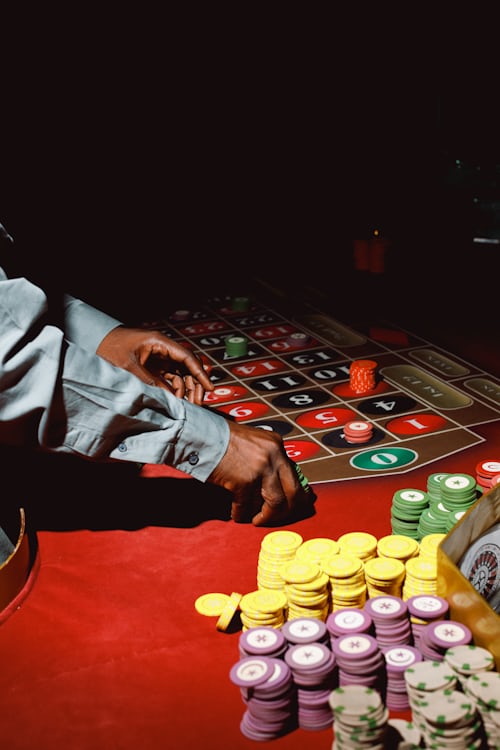
Conversely, negative emotions, such as frustration or anxiety, can impair judgment and skew perceptions about luck. A player experiencing a losing streak may start to feel unlucky, leading to a decline in self-confidence and enjoyment. This emotional rollercoaster can dictate how a player engages with the casino, influencing their decisions and ultimately shaping their experience. Awareness of one’s emotional state can help players navigate the ups and downs of gambling more effectively. By recognizing the impact of emotions, players can cultivate a healthier relationship with luck and maintain a more enjoyable gambling experience.
Furthermore, understanding how emotions affect the perception of luck can lead to healthier gambling habits. By recognizing when emotions are driving decisions, players can take a step back and assess their choices rationally. This awareness can contribute to a more balanced approach, allowing players to enjoy the thrill of gambling without letting fleeting feelings distort their sense of luck. Ultimately, fostering emotional intelligence in the gambling context can enhance overall experiences and promote responsible gaming practices.
Exploring the Online Casino Experience
The rise of online casinos has transformed the gambling landscape, allowing players to engage with their favorite games from the comfort of their homes. In this digital environment, luck still plays an essential role, yet the experience is markedly different from traditional brick-and-mortar casinos. Players often find themselves relying more on their understanding of games and strategies, as there are fewer social rituals to influence their perception of luck. This shift can lead to a more solitary experience, where players must cultivate their belief in luck without the communal energy of a physical casino.
Moreover, online platforms utilize random number generators to ensure fairness in outcomes, similar to physical casinos. However, the anonymity of online gambling can alter the psychological aspects associated with luck. Players may miss out on the communal energy experienced in physical casinos, potentially diminishing the excitement that comes with the belief in luck. This difference highlights the importance of personal belief systems in shaping their gambling experiences. Players may need to create new rituals or narratives to enhance their sense of luck in the virtual realm.
Ultimately, as players navigate the online casino realm, they must adapt their understanding of luck in a virtual context. While the thrill of hitting a jackpot remains intact, players should remain conscious of how the online environment influences their perception of luck. By integrating strategies and maintaining a positive mindset, players can enhance their online gaming experiences, ensuring that luck remains a fun and integral part of their journey. This adaptability is crucial for maximizing enjoyment and satisfaction in an ever-evolving gambling landscape.
